
Domestic Abuse During Football Season: The Conversation We Cannot Ignore
- Jul 2
- 4 min read
Behind The Match Day Noise
Football season is meant to be exciting. It brings people together in pubs, living rooms, fan zones and group chats. But for people living with domestic abuse, major matches can create fear rather than excitement.
The issue is not football itself. The issue is abusive behaviour. When someone uses anger, alcohol, disappointment or celebration as a reason to hurt, control or frighten someone, that is abuse.
Recent government-backed campaigns have continued to focus on violence against women and girls, including domestic abuse, stalking and stronger support for victims.
Abuse Can Hide In Normal Homes
Domestic abuse often hides behind normal-looking relationships. From the outside, everything can seem fine. Inside, someone may be monitoring their partner’s mood, changing their behaviour to avoid arguments, or feeling trapped.
The government’s statutory definition of domestic abuse includes controlling, coercive, threatening, violent, psychological, emotional and economic abuse.Statutory definition of domestic abuse factsheet - GOV.UK
This matters because not every victim has bruises. Some have fear. Some have no access to money. Some are constantly criticised. Some are isolated from friends. Some are scared every time there is a match on.
Why Football Can Become A Trigger Point
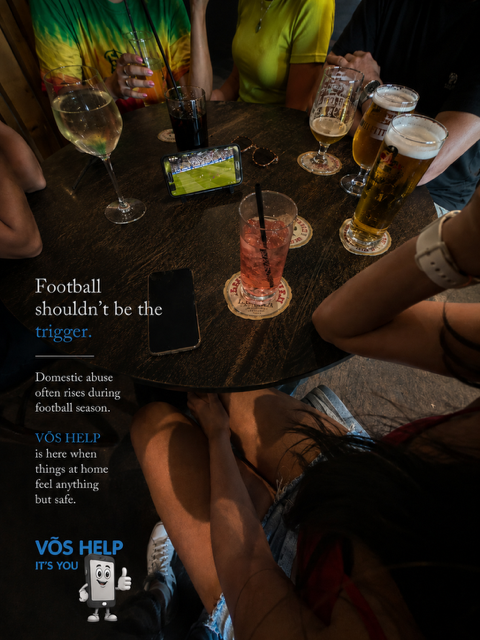
Big football matches can create a perfect storm in already abusive homes: heightened emotion, alcohol, gambling, stress, disappointment, loud environments, late nights and social pressure.
Again, none of these things cause abuse. They can simply intensify the risk when abuse is already present.
The ONS reported that domestic abuse-related prosecutions increased in the year ending March 2025 compared with the previous year, showing how serious and ongoing this issue remains across England and Wales.Domestic abuse in England and Wales overview - Office for National Statistics
Victims Often Blame Themselves
One of the saddest parts of domestic abuse is how often victims blame themselves. They may think, “I should not have spoken during the match,” “I should have cleaned up earlier,” “I should not have reacted,” or “It only happens when they drink.”
But abuse is never the victim’s fault. No result, argument, outfit, comment, missed call or mistake makes someone responsible for another person choosing to be abusive.
Children Feel It Too
Domestic abuse affects children even when they are not directly hurt. Hearing shouting, seeing fear, watching one parent control another, or learning to stay quiet during match days can have a deep emotional impact.
The Domestic Abuse Act 2021 statutory guidance recognises the serious impact domestic abuse can have on children and the need for victims, including children, to receive support. Domestic Abuse Statutory Guidance
Why Support Needs To Feel Accessible
Not everyone is ready to call a helpline. Not everyone feels able to walk into a service. Not everyone wants to explain everything out loud straight away.
That is why VÕS HELP matters. It gives people a softer first step. It can help someone talk through what is happening, understand that their feelings are valid, and begin to think about support in a way that feels less overwhelming.
For someone in Leeds who feels isolated, scared or unsure, having quick access to support can make a real difference.
HR Teams Should Not Ignore It
For workplaces, especially HR teams in Leeds and Bradford, domestic abuse awareness should not just be a policy hidden in a folder. It should be part of real wellbeing support.
Someone experiencing domestic abuse may seem distracted, tired, anxious, emotional, withdrawn or unusually reactive. They may take more sick days after weekends or big events. They may avoid work socials where football or drinking is involved.
Government guidance has recognised that domestic abuse can affect working life and that employers have a role in offering safe, practical support.New advice to help employers deal with domestic abuse and stigma - GOV.UK
The Right Response Can Change Everything
A victim may only hint at what is happening once. They might say, “Things are bad at home,” or “I just do not feel safe sometimes.” How someone responds in that moment matters.
They do not need judgement. They do not need pressure. They need calm, belief, privacy and options.
The CPS highlights the importance of victim safety in domestic abuse cases and recognises support such as Independent Domestic Violence Advisors and special measures for vulnerable or intimidated victims.
VÕS HELP Offers A Safer First Step
VÕS HELP is not about forcing someone to make a huge decision before they are ready. It is about giving people access to support, guidance and human understanding when they need it most.
For victims, that might mean being able to speak to someone quietly after a frightening evening. For employers, it means having a wellbeing solution that helps staff access support without stigma. For communities, it means taking domestic abuse seriously, even when it is hidden behind ordinary events like football.
Football Is Never The Excuse
No football match should end in fear. No score line should lead to violence. No person should have to hope for a win just to feel safe at home.
Domestic abuse is not passion. It is not stress. It is not “just how they are”. It is abuse.
And VÕS HELP is here to help people take the first step towards being heard, supported and safer.

Comments